

Herbs and Wild Plants
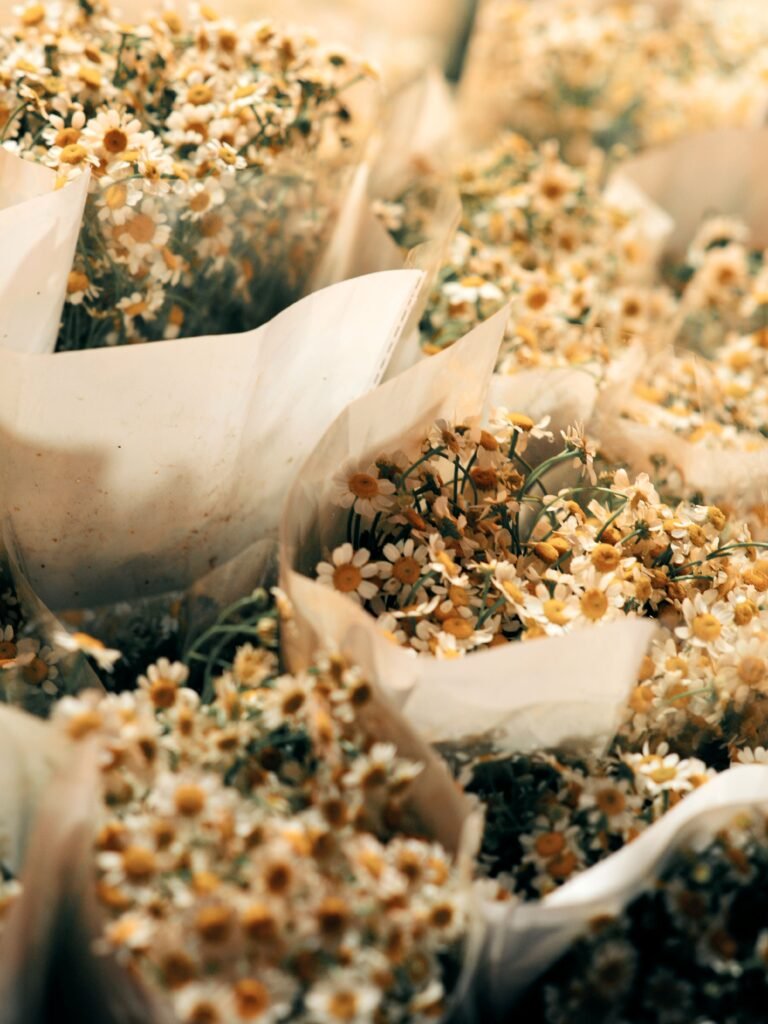
A six-lesson year course in the plants that feed and heal · Wyrd House Witchcraft
Welcome
You have come to the green door. Welcome in.
This course is for the person who has always meant to know more about herbs. Who stands in the spice aisle wondering which jar does what, who remembers a grandmother’s tea without remembering the recipe, who walks past plantain on the sidewalk every day and does not know its name. Over six lessons you will come to know a small circle of plants deeply: how to recognize them, how they are traditionally used in food and in everyday home care, and how to make simple preparations from them safely.
You do not need any experience. You do not need a garden. You need a kitchen, a notebook, a few jars, and attention.
How the course works
There are six lessons. Each one follows the same shape, so you always know where you are.
- Teach. The heart of the lesson. Plant profiles, how to recognize each plant, traditional uses, cautions, techniques, a “Mistakes to avoid” list, and a practice for the week. Read it slowly. Read it twice.
- Meditation. A guided meditation to read aloud or record and play back, about five to eight minutes. No music needed. These are sensory, slow, and rooted in the plants of the lesson. They train the kind of attention herbal work depends on.
- Ritual. A short, practical ritual with a list of what you need and numbered steps, plus a journal prompt. These are simple folk acts: naming, blessing a shelf, tending your hands. They mark the work and help it stay.
- Make. Every lesson has at least one thing to eat and one thing for health or home, with exact quantities, steps, and storage. This is where the learning moves into your hands.
- Before you go. A few lines to close the lesson and point to the next.
After each lesson there is a short check-in quiz of three questions. Aim for two out of three. It is not a test of memory. It is a check that the most important safety points have landed. Lessons stay open so you can move at your own pace.
Pacing
This is a year course. One lesson every six to eight weeks lets you live with the plants, make every preparation, and notice the seasons change. If you prefer to move faster, one lesson every two to three weeks also works. What does not work is reading all six in a weekend. Plants are learned in time, not in a hurry.
Some preparations follow the seasons: elderflowers in early summer, calendula and rose in high summer, elderberries and rosehips in autumn. Where something is out of season, use the dried herb or come back to it later. Lesson 6 helps you build your own calendar.
What you need
For the whole course:
- A sturdy notebook with heavy paper, for your herb journal
- A pencil, an eraser, and a few colored pencils
- 8 to 12 clean glass jars with tight lids, in sizes from 4 oz to 16 oz
- Labels or masking tape and a permanent pen
- An old window screen, cooling rack, or flat basket for drying, and cotton string
- Basic kitchen gear: small saucepan, fine sieve, cheesecloth or a clean thin cotton cloth, measuring cups and spoons, a funnel, a heatproof bowl that fits over a pan (for a double boiler)
- A kitchen thermometer (helpful, not essential)
Suggested starter herbs (buy as you go):
- Fresh, labeled: mint, rosemary, thyme, basil, parsley
- Dried: peppermint or spearmint, German chamomile, lemon balm, oatstraw, English lavender, calendula flowers, rose petals (food grade), elderflower and elderberries, rosehips, plantain leaf
- Pantry: garlic, fresh ginger, raw honey, apple cider vinegar, olive or sunflower oil, coarse and flaky sea salt, rolled oats, beeswax pellets
Optional: windowsill pots of rosemary, thyme, mint, basil, and lemon balm. Two good regional field guides if you want to forage.
Buy dried herbs from a reputable supplier that lists the botanical name and the part of the plant. Freshness matters more than price.
Safety ground rules
Read these now. They apply to every lesson.
- This course is educational, not medical advice. It does not diagnose, treat, or cure any condition. We say “traditionally used for” and “many people find” because that is what is true.
- Ask a qualified practitioner first if you are pregnant, trying to conceive, nursing, giving herbs to a child, taking any prescription medication (especially blood thinners, antidepressants, blood pressure, diabetes, or thyroid medication, sedatives, or hormonal contraception), or managing a chronic condition.
- Know your allergies. Chamomile and calendula belong to the daisy family (Asteraceae); if ragweed bothers you, they may too. Mint family allergies also exist.
- Never eat what you cannot name with complete certainty. Not “probably.” Use two field guides, never an app alone, and learn the dangerous look alikes first.
- Gather only from clean, legal ground. No roadsides, sprayed lawns, or protected areas. No protected species. Take a little and leave the plant standing.
- Label everything, with name, plant part, and date.
- No honey for babies under 12 months.
- Keep essential oils out of homemade remedies. They are not the same as herbs.
- Keep preparations away from pets and children. Several plants in this course are harmful to cats and dogs.
- Know when to stop. Every lesson tells you which signs mean you call a doctor instead.
How this fits with the rest of Wyrd House
Wyrd House teaches the roots of the old ways: the practical folk knowledge of European households, made usable for life today. This course is the green, practical branch of that work. You do not need our Year and a Day or any other course to take it. If you are a Year and a Day student, you will find this goes deeper into food and home remedies than the Green Craft part, and the two sit happily side by side.
When you are ready, open Lesson 1. Bring three fresh herbs to the table.
Your certificate
When you finish this course, you can download a printable certificate of completion signed by Maren, Guide of the House, ready to keep or hang.